Complete Guide to Imported Engine Parts: Key Factors to Consider Before Purchasing
When traversing the world of imported engine parts, several factors warrant careful consideration. Quality, compatibility, and cost play essential roles in ensuring optimal vehicle operation. Recognizing the markers of quality is crucial and to confirm that components satisfy particular vehicle specifications. Moreover, partnering with trustworthy vendors can substantially affect the entire process. Comprehending these aspects will support better purchasing decisions, however many still neglect important specifics that can influence their acquisitions.
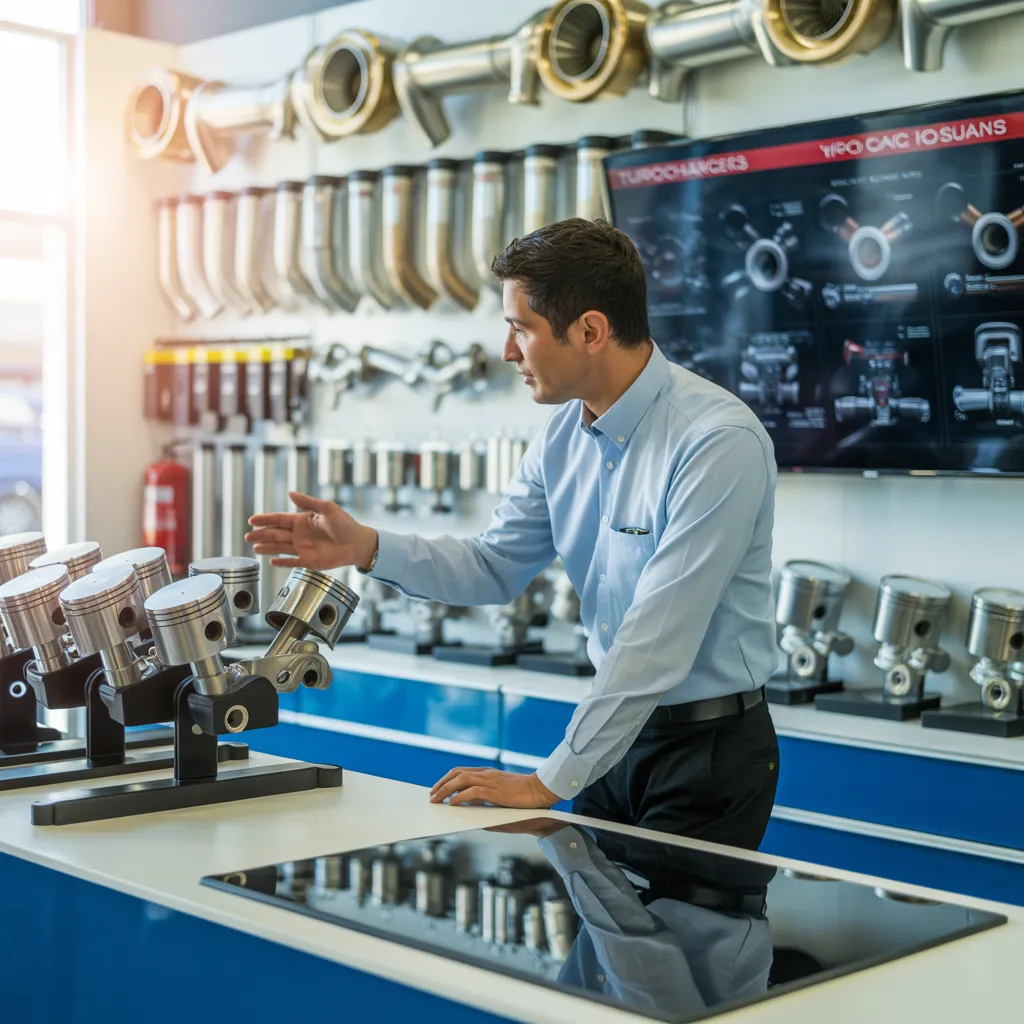
Why Imported Engine Components Are Essential
Imported engine parts hold considerable importance in the auto industry, as they often provide exceptional quality and superior performance compared to locally produced alternatives. Producers from nations celebrated for their engineering expertise, such as renowned nations like Germany and Japan, produce components that frequently incorporate cutting-edge technologies and materials. Such imported components are capable of improving vehicular reliability, operational efficiency, and overall performance, making them a compelling selection for both vehicle manufacturers and end consumers.
Additionally, the global market stimulates competition, spurring innovation and ensuring pricing remains balanced. Therefore, automotive professionals regularly acquire imported components to ensure their vehicles align with or go beyond industry standards. Additionally, the availability of a varied range of imported engine parts empowers mechanics and enthusiasts to customize vehicles to their specifications, elevating both capability and appearance. In the end, the inclusion of imported engine parts serves a critical function in the ever-evolving evolution of the automotive sector, fostering a more active and forward-moving landscape.
Measuring Quality: Critical Indicators in Engine Components
When examining the quality of engine components, multiple important criteria are necessary for sound decision-making. Initially, materials play a critical role; high-quality components often utilize durable metals or advanced composites that resist wear and corrosion. Additionally, manufacturing processes should be scrutinized; precision engineering and adherence to industry standards can indicate superior quality. Moreover, manufacturer reputation and industry-recognized certifications shed light on product reliability and capabilities. Businesses with a proven track record of superior performance tend to be more dependable.
Additionally, extensive inspection and quality assurance protocols are vital; units that endure comprehensive evaluations are less apt to break down. In conclusion, warranty provisions can demonstrate trust in the part's longevity. An in-depth awareness of these markers assists purchasers in identifying top-grade engine components over lesser options, securing enhanced operation and lifespan for their cars.
Guaranteeing Compatibility of Imported Components
Verifying the compatibility of engine components is critical for optimal vehicle performance, as mismatched components can lead to inefficiencies and costly repairs. When considering imported parts, it is important to reference the vehicle's specifications and manufacturers' guidelines. All engines possess specific requirements, including size, fit, and functionality, that need to match the imported component.
Additionally, checking part numbers against references can help confirm component compatibility, as numerous manufacturers provide databases for this purpose. Knowing the where the parts originate from is also important; various regions may have different standards and specifications.
Seeking advice from specialists or automotive experts familiar with the exact engine type can provide valuable insights, while customer feedback may offer practical experiences regarding suitability. In the end, comprehensive research and thoughtful evaluation of all relevant elements will contribute to making informed choices, guaranteeing that the sourced components will operate effectively within the automobile's existing system.
Locating the Most Competitive Prices for Parts
While looking for budget-friendly foreign engine components, comparing multiple suppliers is essential. This approach allows for a comprehensive review of the prices and choices available on the market. Moreover, browsing online marketplaces can uncover attractive deals that are often unavailable through standard retail sources.
Assess Various Suppliers
Many vendors offer a broad variety of imported engine parts, highlighting the importance of effective price comparison for buyers. Through gathering estimates from various suppliers, buyers can gain insights into market averages and identify competitive pricing. This method encompasses more than just reviewing listed costs, as it also includes assessing freight charges, applicable tariffs, and warranty terms. Additionally, buyers should assess the reputation and reliability of each supplier, because the level of find here quality can substantially affect long-term ownership expenses. Feedback and scores from past buyers can offer useful insights into the vendor's customer service and merchandise quality. In the end, a comprehensive evaluation enables purchasers to reach well-informed conclusions, ensuring they obtain the best value for their imported engine parts.
Explore Online Marketplaces
How can buyers navigate the broad selection of online marketplaces to discover the lowest prices for foreign engine parts? To begin, performing comprehensive research across multiple platforms is key. Platforms such as eBay, Amazon, and dedicated auto parts retailers frequently offer competitive pricing. Buyers should utilize filters to narrow down options based on brand, price, and condition—new or used. Furthermore, reviewing customer feedback and seller ratings can offer valuable information about product quality and dependability. It is equally important to review return policies, confirming that items can be sent back when needed. Lastly, signing up for price drop notifications can assist buyers in taking advantage of deals as they appear. Through the use of these approaches, buyers can enhance their search for cost-effective imported engine parts.
Finding Trusted Suppliers and Brands
Identifying trustworthy suppliers and reputable brands is critical for securing the integrity and durability of imported engine parts. Consumers should carry out detailed research to find suppliers with positive reviews and a well-established reputation within the vehicle parts sector. Experienced suppliers often provide comprehensive product information, service agreements, and client assistance, which can be indicators of their reliability.
It is advisable to opt for brands recognized for their manufacturing standards and quality control processes. Industry certifications and awards can act as reference points for assessing a brand's reliability. Moreover, joining discussions and communities of automotive hobbyists can yield useful perspectives on dependable vendors.
Lastly, confirming the vendor's after-sales service and return policy is essential. A dependable supplier will stand behind their products, providing assistance in case of defects or issues. This practice not only enhances the purchasing experience but also boosts the reliability and overall performance of the engine components.
Frequent Errors to Steer Clear of When Purchasing Engine Parts
When buying engine parts, buyers often overlook important considerations that can lead to significant oversights. One typical oversight is not checking compatibility with their vehicle's make and model, which can result in unnecessary expenses and delays due to unsuitable parts. Moreover, certain purchasers fail to research the quality and authenticity of overseas components, leading to poor functionality and serious safety concerns.
Another common mistake is not considering the return policy or warranty coverage. Many buyers assume that all purchased parts carry coverage, which puts them in a difficult position if a part breaks down unexpectedly. Furthermore, failing to account for shipping fees and transit periods can interfere with planned repair or build deadlines. To make matters worse, shoppers tend to rush their purchasing decisions, neglecting important factors like part specifications and reviews. By avoiding these pitfalls, buyers can arrive at smarter buying choices, creating a more efficient experience when acquiring imported engine parts.
Recommendations for Proper Fitting of Overseas Parts
Successfully installing imported engine parts requires careful attention to several key factors. Utilizing the proper tools, adhering to manufacturer guidelines, and ensuring parts compatibility are essential steps for a seamless installation process. By following these tips, technicians can enhance both performance and longevity of the engine assembly.
Required Tools for the Job
A variety of tools are vital for the successful installation of foreign engine components, providing accuracy and efficiency throughout the entire process. A torque wrench is essential for delivering the right amount of torque to bolts, avoiding damage or failure. Assorted socket sets are essential for handling various types of fasteners, while a ratchet can expedite the process. Pliers and screwdrivers are equally important for handling smaller components. A mechanic's creeper can enhance comfort and accessibility during installation. Moreover, possessing a complete set of metric and standard wrenches will satisfy various part specifications. Finally, safety gear, such as gloves and goggles, should not be overlooked to ensure a safe working environment. The right tools contribute to a smoother installation experience.
Comply with Manufacturer Guidelines
Following manufacturer guidelines is crucial for the proper fitting of imported engine parts. Complying with these specifications guarantees that parts are fitted accurately and function as intended. Every manufacturer offers thorough directions regarding torque settings, alignment, and specific tools needed, which are essential for peak performance. Overlooking these guidelines can lead to potential engine damage, improper fitting, or serious safety hazards. Moreover, employing the manufacturer-recommended lubricants and sealants as prescribed will extend the lifespan of the parts. It is also advisable to contact the manufacturer's support team if uncertainties arise during installation. By meticulously observing these guidelines meticulously, vehicle owners can protect their investment and copyright the performance of their engine system.
Verify Compatible Components
Checking compatibility between imported engine parts and the current parts is necessary for effective installation and overall engine performance. Before purchasing, it is important to verify component details, including measurements, material types, and design specifications. Cross-referencing part numbers with manufacturer databases establishes that the external components will install without issue. Moreover, seeking out user reviews and discussion boards can offer valuable information about the accounts of other customers, uncovering possible complications or effective installations. It is strongly encouraged to check for warranties or return policies, providing options should the components fall short. Finally, consulting a skilled mechanic experienced with foreign components can boost the prospects of a successful installation, lowering the possibility of errors during installation. Compatibility is key to achieving peak engine functionality.
Common Questions and Answers
Are Imported Engine Parts Covered by Warranty?
Imported aftermarket engine parts usually carry a warranty, but coverage varies by manufacturer and supplier. Buyers should carefully examine the specific terms and conditions to understand what is included and any potential limitations.
How Do I Verify a Part's Authenticity?
To verify a piece's legitimacy, one should review the producer's markings, review the packaging for damage, consult official retailers, and leverage web-based databases or references that track legitimate parts to confirm proper recognition.
What Import Regulations Should I Be Aware Of?
Import rules encompass familiarizing yourself with tariffs, customs duties, safety standards, and emission regulations. Compliance with these requirements is essential to steer clear of fines and confirm that components satisfy both regulatory and quality requirements for vehicle operation.
Can I Return Imported Parts if They Don't Fit?
Getting refunds on imported components is generally governed by the seller's return policy. If the parts do not fit, customers should examine the specific terms regarding returns, including any restocking fees or conditions that may apply.
What Is the Best Way to Maintain Imported Engine Parts?
To maintain imported engine parts effectively, consistent inspections, adequate lubrication, and adherence to manufacturer guidelines are necessary. Washing components and checking for deterioration can increase their longevity and maintain superior performance in diverse operating conditions.